Short answer: if you sell a product and label every jar, bag or bottle that goes out the door, you want roll labels. If you label in small batches, change designs often, or mostly hand out stickers, sheet labels are fine. Most Columbus small businesses I work with start on one and end up on rolls once the product takes off.
I print both. You can see the options and starting prices on my custom roll labels and product labels page. Below is how I help owners pick the right format, so you don't pay for the wrong one or spend your Saturday peeling labels off a sheet one at a time.
What's the difference between roll labels and sheet labels?
Roll labels are printed on a long strip of backing paper and wound onto a cardboard core. You peel one, and the next one is right there. They work by hand, and they're the format a label machine needs.
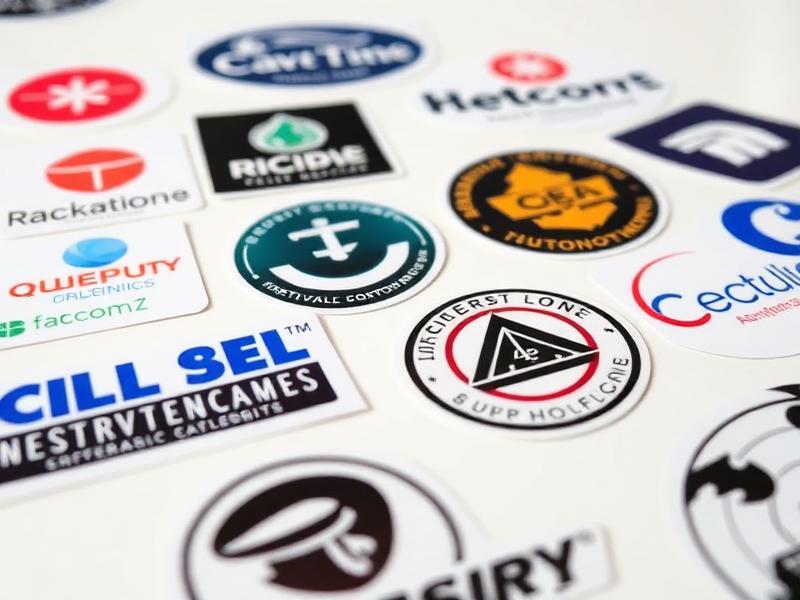
Sheet labels are printed on flat sheets, with several labels on each sheet. Each label is cut so it peels off the backing. This is also the format of the blank labels you buy at an office store and run through your own printer.
Both can be printed on paper or film, in squares, circles, rectangles or a custom shape. The real differences are speed, cost per label at volume, and how well each one fits the way you work.
When sheet labels make sense
Sheet labels are a good fit when volume is low and variety is high. A few examples:
- Small test batches. You're trying a new sauce or a seasonal flavor and need a few dozen labels to see if it sells.
- Lots of designs, few of each. Say you make candles in a dozen scents. Fitting several designs on a sheet keeps short runs simple.
- Handouts and bag seals. Logo stickers for thank-you notes, take-out bags or the counter jar.
- Info you write or print yourself. Dates, batch numbers or a customer's name added at your desk.
The catch shows up when you scale. Peeling sheet labels one at a time is slow. If you print blank office labels on an inkjet at home, the ink can smear the first time the jar gets wet, and the cost per label adds up fast once you count ink, wasted sheets and your time.
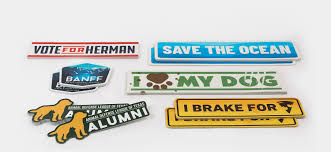
If what you really need is stickers to hand out or put on gear, my custom decals and stickers page covers die-cut stickers, vinyl decals and stickers on a roll. 100 vinyl decals at 3 x 3, cut to shape, start at $85.
When roll labels make sense
Roll labels win once you're putting the same label on a lot of product. That's most bakeries, coffee roasters, sauce and jam makers, breweries and anyone shipping boxes every week.
- Speed. One label after another, no fumbling with sheet edges. Your staff can label a full tray in one sitting.
- Cost per label. 1,000 roll labels at 2 x 2 on white BOPP, laminated, start at $179. The price per label drops as quantity goes up.
- Label machines. If you use an applicator or plan to buy one, it needs rolls. Send me the core size and the direction the label comes off the roll, and I'll set the job up to fit.
- Consistency. Every label comes off the same press run, so the color on jar 900 matches jar 1.
Hand-applying rolls? Tell me that too. I'll set up the roll so labels peel easily and there aren't too many on each one, which keeps it from getting heavy and awkward on the counter.
Start small, then reorder by the thousand
A lot of owners hold off on roll labels because they think they have to commit to a huge order. You don't. Small first runs are welcome.
A Columbus bagel shop started with 500 labels to try it out. The labels worked, the product sold, and the next order was 5,000. That's how most of my label customers start. Order a short run, put it on the product, watch how it looks on the shelf and how it sells.
When you come back, reorders get cheaper per piece. The file is approved, the setup is done, and I already know your jar. You're only paying to print.
The material matters more than the format
Roll or sheet, the most common label mistake I see is the wrong material. Paper labels are the lowest cost per label and work fine on dry goods and shipping boxes. They smear and peel when they get wet.
Film labels, like BOPP, cost a little more and hold up to condensation, ice and wet hands. If your product lives in a fridge, a cooler or a freezer, that's what you want. Clear film gives a no-label look on glass. Silver film gives a premium look on the shelf.
So tell me what the label goes on and where it lives: shelf, fridge, freezer or outdoors. I'll match the material and finish before anything prints, and you'll see and approve a proof first.
Five questions to answer before you order
Send me answers to these and I can tell you which format fits and what it costs:
- What does it go on? Measure the flat area of the jar, bag or box and send a photo. I'll suggest a size that leaves a little room on each side.
- Where does it live? Shelf, fridge, freezer, cooler or outside.
- How many do you go through? A rough guess per month is plenty.
- Hand or machine? If it's a machine, include the core size and unwind direction.
- How many designs? One label for everything, or a different one for each flavor or scent.
If labels are one piece of a bigger packaging plan, like boxes, mailers and bags, take a look at my custom packaging page. Food and drink businesses can see everything in one place on my food and beverage branding page, from labels to menus.
First order? Design and setup are free. Send me your logo, your container and the answers above through my contact page, or call (614) 561-3358. You'll get a free quote within 24 hours, and you'll deal with me from the first proof to the reorder.
Need this done?
Here's what I make for Columbus and Central Ohio businesses.