A storefront window in Columbus needs four things: your name, what you do, your hours and a way to reach you. Put the name where it reads from the street, the hours on the door by the handle, and the phone or website where someone can read it after you close. Everything past that is a choice between cut vinyl, frosted vinyl, clings and perforated film, and each one fits a different job.
I do window graphics and storefront lettering for shops, offices and restaurants around Central Ohio. Hours and logo lettering on one door or window starts at $149, installed. Below is how I'd plan your glass, which material fits which spot, and the questions I ask before anything gets cut.
Start with what people need from the sidewalk
Picture someone driving past at parking lot speed, or walking up to your door at 7 at night. They want to know who you are, whether you're open and how to reach you. A window that answers those questions does its job. A window covered in every service you offer gets skimmed and forgotten.
Here's the order I'd put things in:
- Your name and logo at eye level or a little above, sized to read from the street or the lot.
- What you do, in a few words, if your name doesn't already say it. "Dental" or "Coffee" is plenty.
- Your hours on the door near the handle, where people look when they're deciding whether to pull.
- A phone number or website somewhere it can be read with the lights off inside.
If you're in a strip center, your glass may be the only sign you fully control. Landlords often limit what goes on the building, but the inside of your own window is usually yours to use. Check your lease first.
Cut vinyl for lettering and hours
Cut vinyl is the standard for storefront lettering. Each letter is cut from a sheet of colored vinyl and laid on the glass, so there's no background box around the words. It looks clean and painted on, and white or black reads on almost any storefront.
Hours deserve a little planning. Ask me to set them up as separate lines, one per day or one per block of days. When your hours change, I replace a line instead of scraping the whole door. It saves you money the first time you add a late night or drop a Sunday.
Most lettering goes on the inside of the glass, reversed so it reads right from outside. That keeps it out of the weather and away from squeegees and ice scrapers. Tinted or reflective glass can hide inside lettering, so on that kind of glass I may put it outside. I'll look at your storefront and tell you which side makes sense.
Frosted vinyl for privacy and a finished look
Frosted vinyl looks like etched glass for much less than real etching. Light still comes through, but people can't see straight in. I use it two ways:
- A logo on a glass entry door, cut out of the frost so it shows clear, or cut from frost on clear glass.
- A privacy band across office, exam room or conference room glass, set at the height where people sit or stand.
Dental and medical offices, salons and office suites use it most. It pairs well with interior pieces like wall graphics and lobby signs when you want the inside to match the front door.
Window clings for anything you'll change
Window clings hold on with static instead of glue. They peel off clean and go back up next season. That makes them the right pick for sales, holidays, events and seasonal menus, anything you'd otherwise tape a paper sign up for.
Keep a few things in mind:
- Clings go on the inside of the glass and need clean, smooth glass to hold.
- They aren't the right call for your name and hours. Those should stay put, so use cut vinyl.
- Store them flat on their backing between uses so they don't curl.
If you need a sticker for a product or a sign that will live outdoors, that's a different job. My guide to vinyl decals vs printed stickers covers how to choose.
Perforated film for full-window graphics
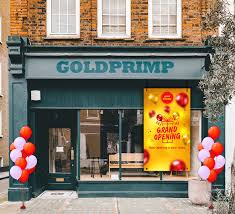
Perforated window film, usually called perf, is printed on the outside and full of tiny holes. From the street you see a full-color graphic. From inside you can still see out. It's how a storefront turns a whole window into a sign without blocking the view from the register.
Perf has a few limits worth knowing before you design around it:
- It works best when it's brighter outside than inside. At night, with your lights on, people outside can see in more easily.
- Rain on the glass makes it harder to see through from inside.
- Small text gets lost in the holes. Keep perf for big images and bold words, and put fine print in cut vinyl.
The same film goes on the back glass of work vans and SUVs. On vehicles I keep it to the rear glass and rear side windows, since state law limits what can go on the windshield and front side windows.
A QR code on the door
A QR code decal near the handle gives people something to do when you're closed. Point it to your booking page, online ordering, menu or Google reviews. Make it big enough to scan from a step back, put a few words above it saying what it opens, and test it on two phones before it goes up. If the link might change, point the code at a page on your own site so you can swap the destination without reprinting.
What I need to quote your windows
Send me:
- A straight-on photo of each window or door, with a tape measure across the glass if you can.
- Your logo file, if you have one.
- Your hours and the phone or website you want on the glass.
- A note on anything you'll want to change often.
I'll mock it up on a photo of your storefront so you see it before anything is cut, and quote it with install included. If you also need a sign out front or decals for doors and equipment, I can quote it all together.
To get started, send me your storefront photos or call (614) 561-3358.
Need this done?
Here's what I make for Columbus and Central Ohio businesses.